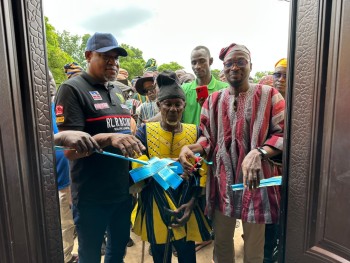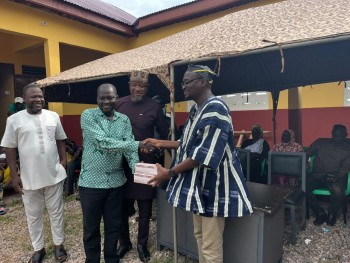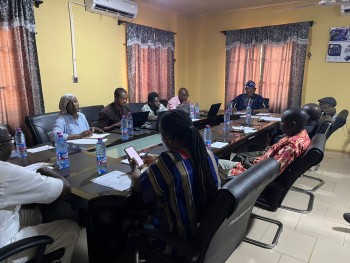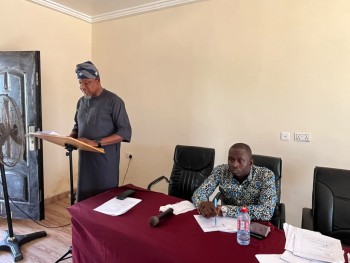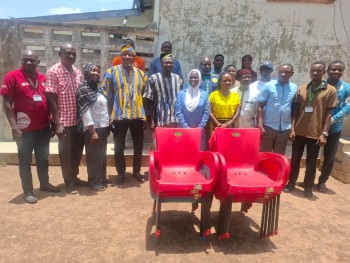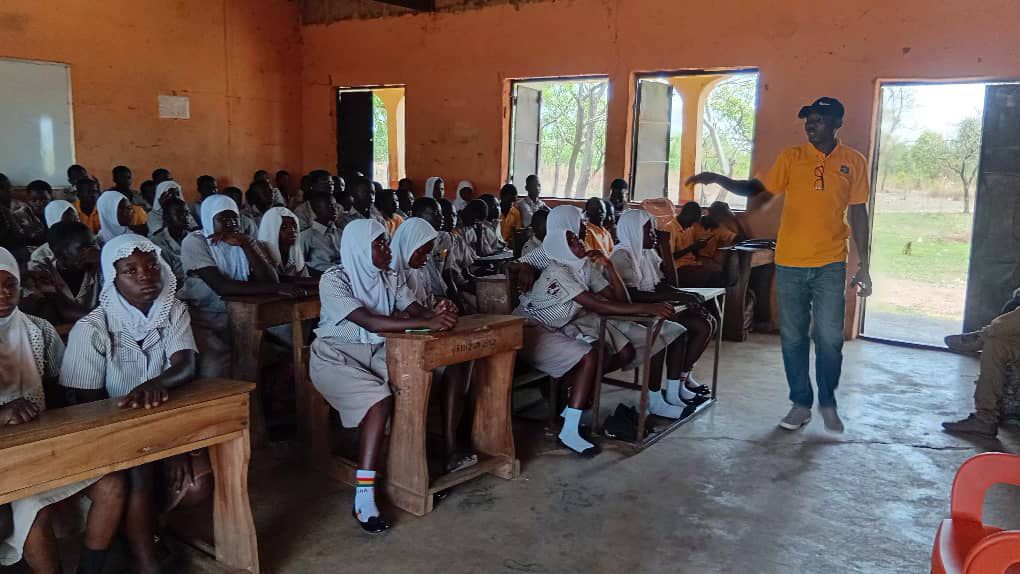
A school-based sensitization program on Child Rights and Responsibilities, Gender-Based Violence (GBV), and the effects of abortion was organized on 16th and 17th March, 2026 in the North East Gonja District. The activity was handled by the Department of Social Welfare and Community Development of the District Assembly as part of its mandate to promote child protection and social development within the district. The exercise was conducted in Kpalbe D/A JHS, KM Model Girls School at Fuu, and Libi JHS. The purpose of the program was to educate students on their fundamental rights and responsibilities, raise awareness about gender-based violence, and discuss the health and social consequences of abortion.
During the sensitization sessions, students were educated on child rights, including the right to education, healthcare, protection from abuse and exploitation, and the right to express their opinions. The facilitators emphasized that rights come with responsibilities. Students were encouraged to respect their parents, teachers, and peers, comply with school rules and regulations, and avoid behaviors that could negatively affect their future. The importance of discipline, respect, and reporting cases of abuse or neglect was strongly highlighted.
The discussion on Gender-Based Violence (GBV) focused on its meaning, forms, causes, and effects. Students were informed that GBV includes physical, emotional, and sexual abuse, and that such acts can have serious consequences on victims, including trauma, fear, depression, low self-esteem, and poor academic performance. The facilitators encouraged students to speak up against violence, avoid abusive behavior, and report any incidents to trusted adults, teachers, or the appropriate authorities.
In addition, the effects of abortion, particularly unsafe abortion among adolescents, were discussed. The Social Welfare officers explained the possible health risks, such as excessive bleeding, infections, infertility, and in severe cases, death. They also addressed the psychological and social consequences, including emotional distress, stigma, and interruption of education. Students were advised to abstain from early sexual activities, focus on their academic goals, and seek guidance from responsible adults when confronted with difficult situations.
The program was interactive, with students actively participating and asking relevant questions. Teachers and school authorities expressed their appreciation to the Department of Social Welfare and Community Development for bringing the initiative to their schools and recommended that similar programs should be organized periodically.
In conclusion, the sensitization exercise carried out by the Department of Social Welfare and Community Development of the North East Gonja District Assembly was impactful and timely. It enhanced students understanding of their rights and responsibilities, the dangers of gender-based violence, and the serious consequences of abortion. Continued education and awareness creation will contribute significantly to building safer schools and responsible future leaders within the district.