×
Empowering Farmers in Libi and Nomnayili to Combat Aflatoxin in Maize

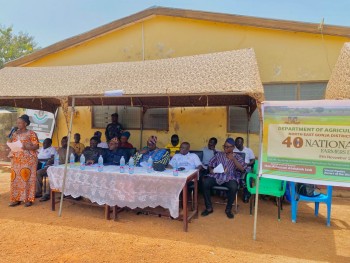
On March 7, 2025, two farming communities—Libi and Nomnayili—came together to take a vital step in protecting their maize crops and their livelihoods. A targeted training session on aflatoxin management was organized to raise awareness and equip farmers with practical strategies to control aflatoxin contamination from field to storage.
grid-tyujk1747736243.jpg


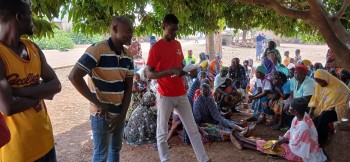
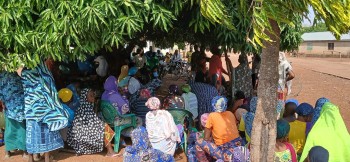
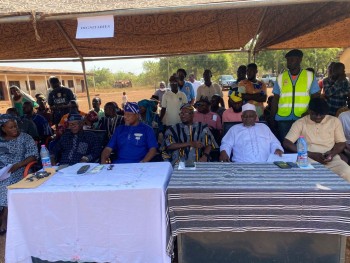
The training, held at 9:00 AM in Libi and 11:00 AM in Nomnayili, attracted a total of 125 farmers—80 from Libi and 45 from Nomnayili. Led by Agricultural Extension Agent Emmanuel Korankye, PPRSD Officer Mr. Awudu Alhassan, and District Extension Officer Mr. Osman Rashid, with support from IITA, the sessions offered farmers hands-on knowledge of Good Agricultural Practices (GAPs) and post-harvest handling techniques to reduce aflatoxin risks.


Participants learned how proper land preparation, plant spacing, and timely planting can minimize stress on crops and reduce the likelihood of fungal infection. Emphasis was placed on timely harvesting to avoid moisture and insect damage, as well as on safe drying techniques—such as using tarpaulins and drying to a moisture content below 13%—to prevent fungal growth.
grid-tyui1747736253.jpg


Farmers were also guided on how to sort and shell maize hygienically, removing moldy kernels and using clean tools to avoid contamination. Storage was another key focus, with the introduction of hermetic or PICS bags to help maintain dry, oxygen-poor environments that deter fungal activity.

A notable highlight of the training was the introduction of Aflasafe, a biocontrol product containing non-toxic strains of Aspergillus flavus. Farmers were trained on how to apply Aflasafe to their fields, helping the beneficial strains outcompete the harmful ones and significantly reducing aflatoxin presence in harvested maize.

Beyond the technical aspects, the facilitators stressed the severe health risks of consuming aflatoxin-contaminated maize—including liver damage, stunted child growth, and weakened immune systems. They also discussed the economic impact, including loss of market access and rejected produce, underscoring the value of implementing the techniques learned.

The day ended on a hopeful note, as farmers from both communities left better equipped to protect their families’ health and improve the market quality of their maize.